






React Native SDK Config: Two-Tier Screens & Render Slots
Design a type-safe React Native SDK config system with BotProvider, two-tier screens, and render slots — clients launch fully branded apps from one config file.
Get a behind-the-scenes look at how we think, create, and deliver exceptional digital products that solve real-world problems and delight users.
Design a type-safe React Native SDK config system with BotProvider, two-tier screens, and render slots — clients launch fully branded apps from one config file.
Build theme-aware React Native components — ThemedText, ThemedView, the variant pattern, and composition techniques that keep any white-label brand consistent.
How to build a type-safe React Native theming system with layered design tokens, semantic colors, automatic dark mode, and the useTheme hook for white-label apps.
We attacked Gemini Nano with prompt injection — it worked. The model's safety training made it too trusting. Here's our defense-in-depth approach to hardening on-device AI.
How to architect a React Native white-label SDK for multi-brand apps — theming, reusable components, and type-safe configuration from a single Expo codebase.
AI moved the hard part from writing to reviewing. The vigilance failures plaguing pilots and radiologists now hit code review. Here's how teams can adapt.
Nano misclassified foods and was case-sensitive. We used Gemini Pro to rewrite the prompt — with prefix caching, inference hit 1.0s. Results inside.
We refine code iteratively in one AI session, then reset context for a fresh review. That simple trick surfaces a meaningful bug roughly once every three sessions.
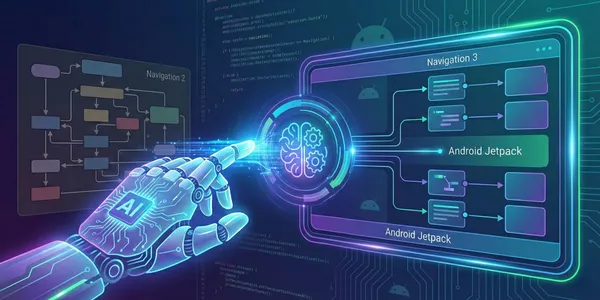
We gave Gemini and Claude Code the same Navigation 3 migration task. Both produced eerily similar code, and both hallucinated library versions. Only one ran autonomously.
We classified pantry items on-device with the ML Kit GenAI Prompt API — zero cloud costs, offline support. Structured JSON output ran in 1.36s vs 5.9s for freeform. Full Kotlin source and device compatibility list.
We classified pantry items using Apple's Foundation Models framework — no network, no API fees. The @Generable macro makes structured output shockingly clean. Here's our code.
I just finished a project on Nav 2 and immediately dug into Nav 3. The state-based backstack fixes everything that felt wrong about imperative navigation. Here's when it's worth the effort.
When AI makes mistakes, ask what context was missing — not what it did wrong. The answer points to tribal knowledge gaps that would trip up any new teammate too.
Key-based string catalogs give you compiler errors for missing translations and autocomplete in code. We also cover RTL auto-flipping, German word overflow, and testing locales without touching device settings.
I let AI generate a full feature and felt incredibly productive, until I needed to modify code I didn't understand. Here's the sustainable workflow our iOS team actually uses.
ChatGPT and Claude are built into Xcode 26 — no plugins needed. Simple prompts produce solid Swift code. Multi-file changes still fall apart. Our honest take after daily use.

My app started crashing after deleting old data — SwiftData's migration docs didn't help. Here's what I figured out: schema versioning, custom migrations, and the pitfalls Apple doesn't warn you about.
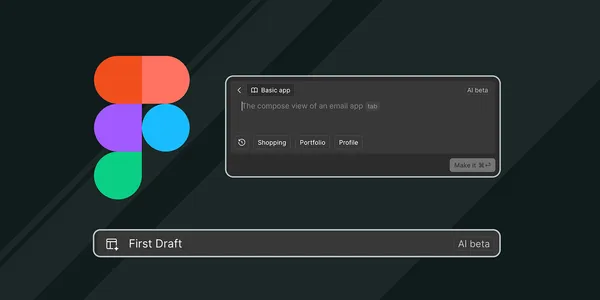
Complex prompts flopped. Simple ones produced usable components we actually shipped. Figma's AI won't replace designers, but it changes where the work starts.
Most AI adoption advice is 'just use Copilot.' We've watched teams struggle with that. Here's what actually works: start with discipline, separate exploration from production, and treat AI like a teammate who needs your guidance.
Markers, camera animation, and tap gestures in a cross-platform Google Maps Composable using expect/actual and UIKitView. Full working code for Android and iOS.
No CMP Composable for maps? We wrapped Google Maps natively on Android and iOS using UIKitView, a Swift bridge via Koin DI, and SPM instead of CocoaPods. Full working code.
Components, state management, and navigation compared across Compose, SwiftUI, and React Native with real code examples. The declarative patterns are eerily similar.
Git bisect and git log work, but they're painful. Fork.app's Diff Content search finds deleted files, lost code, and removed images in seconds. Step-by-step walkthrough with real recovery examples.
Netflix, Cash App, and Philips chose Kotlin Multiplatform. We break down where KMP + Compose beats Flutter and React Native — and where it still falls short.
We taught four web developers Flutter using ChatGPT and Copilot. It worked great until "ChatGPT recommended this" became a code review argument. Lessons for engineering leads.
Scammers are impersonating Atomic Robot on WhatsApp with fake job offers. We never recruit through WhatsApp—learn how to spot these scams and protect yourself.
Default VoiceOver ignores your custom SwiftUI layout and reads left-to-right. We fixed card navigation, hid decorative images, and added proper labels, with before/after demos.
Built in a single day between client projects — a full SwiftUI + Combine app with MVVM architecture, URLSession networking via Combine pipelines, unit tests, and dark mode. Source code included.
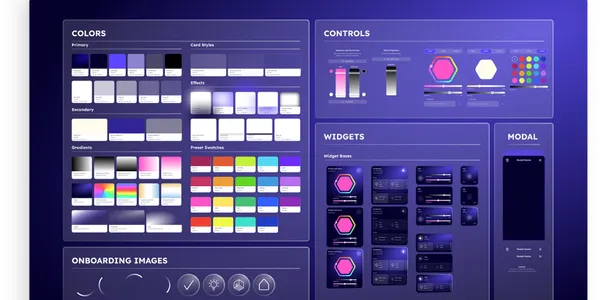
How our design team built an IoT lighting UI kit for the Figma community, from competitive research and personas to user journeys and crazy 8's.
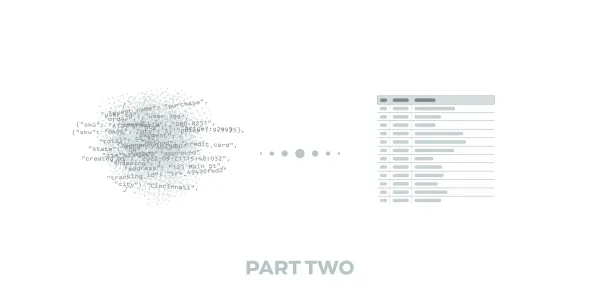
Building on our Firestore-to-BigQuery sync, this tutorial shows how to map JSON fields to individual BigQuery columns for easier querying and analysis.
Step-by-step tutorial: sync Firestore data to BigQuery using Cloud Functions and Pub/Sub. Includes Node.js code samples for real-time event streaming.
Sanity stores rich text as structured JSON with custom annotations. We used that to build tappable product links in a Flutter app — schema setup, GROQ queries, and gesture handling included.
After nearly a decade of building digital products, we partnered with Focus Lab to refresh our brand. Here's a look at the strategy and design behind the update.
Healthcare IoT is empowering patients to monitor their health from home. See how connected devices and mobile apps are transforming personal health management.
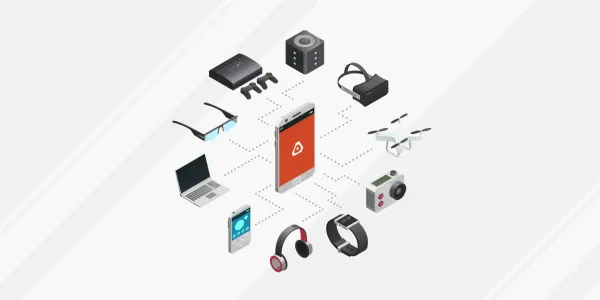
Smart products need great mobile apps to reach their potential. Learn how IoT companion apps can strengthen your brand and drive customer loyalty.
From healthcare to retail to home automation, IoT devices are transforming industries. Explore real-world applications and why adoption is accelerating.
Apple rolls out to random percentages over 7 days with a 30-day pause option. Google lets you pick your own percentages. Here's when phased releases are worth using.
WWDC 2021 brought Xcode Cloud, Swift 5.5 async/await, and major SwiftUI updates. Here are the key highlights every Apple developer needs to know.
Want innovation to be a brand differentiator? It takes more than ideas—it requires executive support, diverse teams, and a willingness to take risks.
Level up your Swift skills with our curated list of newsletters, podcasts, blogs, and video tutorials. Resources for iOS developers at every experience level.
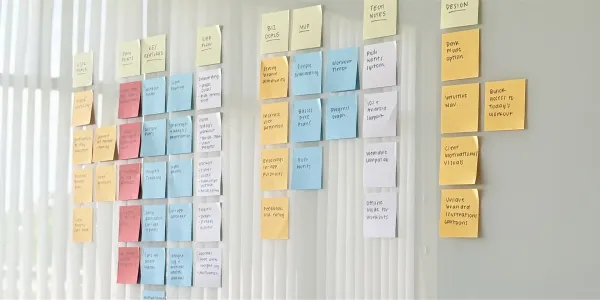
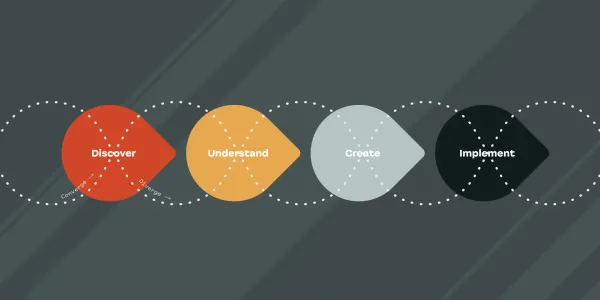
How do great ideas become products people love? It takes a focused, iterative process—from strategy to wireframes to final polish. Here's how checkpoints guide creative freedom.
Enterprise mobile app innovation requires executive buy-in, dedicated teams, and a culture of learning. Here's how to build that foundation.
App Store rejection isn't the end. Learn how to respond professionally, fix common issues, and appeal effectively to get your app approved.
Not sure which app metrics matter most? Focus on these five: downloads, engagement, retention, ratings, and revenue. Here's how to track each one.
From user testing to feature toggles to continuous delivery, these agile techniques help you iterate on your mobile app faster and with less risk.
App Store and Google Play reviews shape your app's success. Learn how to use feedback—positive and negative—to improve your app and boost retention.
Building an app for everyone usually means building for no one. Here's how to define a distinctive audience and map customer journeys that actually drive engagement.
If you want to develop innovative mobile apps at your enterprise, you need to think like a startup. Here are five tips to help guide your app team.
Which industries are on the cusp of innovation revolutions? Here are seven sectors set to shake up the world with much-needed disruptions.
Product manager? Developer? Executive? You can be a design thinker. It's a repeatable, human-centered problem-solving process for anyone willing to ask the right questions.
User reviews heavily influence App Store and Google Play rankings. Learn when and how to prompt users for ratings to boost your app's visibility and downloads.
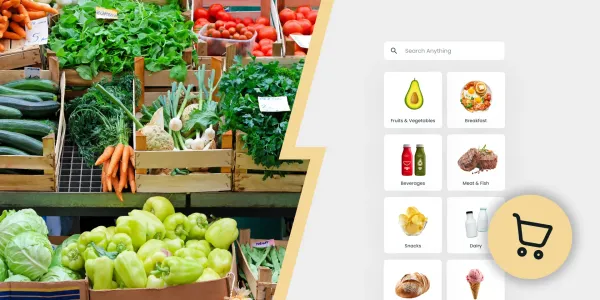
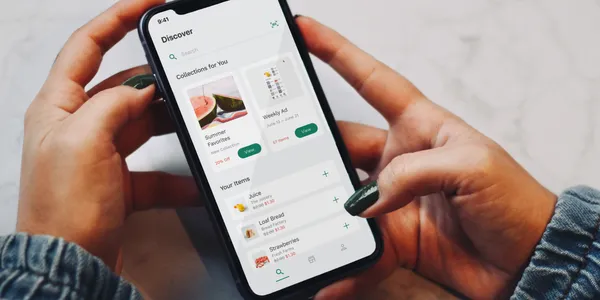
Download a free, customizable grocery app UI kit with screens for weekly ads, shopping lists, store locators, and recipes. Get stakeholder feedback faster with ready-made designs.
Switching from raster images to flutter_svg shrank our production app's asset folder by 75%, from 4.3MB to under 1MB. Setup code and APK size comparison included.
Go from AnimatedOpacity fades to orchestrated multi-widget sequences using AnimationController, CurvedAnimation, and Interval. Step-by-step Flutter code with GIF demos.
Key takeaways from AIGA's Cincinnati Design Week on accessibility, client pitching, personal branding, and designing with empathy.
A designer's perspective on how SwiftUI could change the way we build native interfaces, much like CSS3 transformed web design.
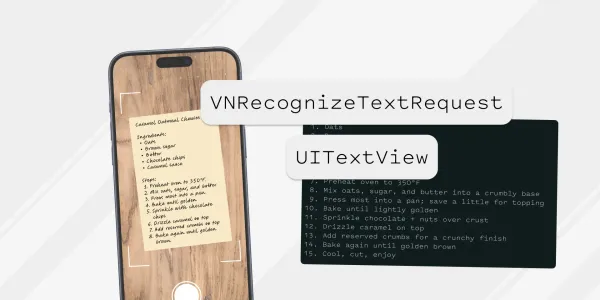
We ran VNRecognizeTextRequest on a recipe photo and .fast mode beat .accurate for accuracy. Swift code walkthrough with real OCR output from Apple's Vision framework.
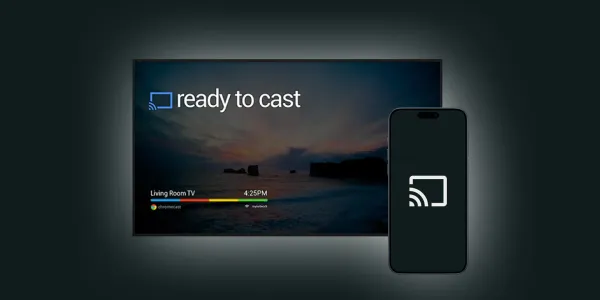
Want to cast content from your Android app to the big screen? This tutorial shows how to add Chromecast support using ExoPlayer, from setup to implementation.
How a simple Python script and Mustache templates eliminated hours of boilerplate when scaffolding new screens in Android projects.
How Grace Hopper's resilience and determination changed computing forever, and why she continues to inspire women in tech today.
How Susan Kare pioneered pixel art and icon design at Apple, shaping the visual language of computing that we still use today.
How Sister Mary Kenneth Keller broke barriers as the first woman in the U.S. to earn a Ph.D. in Computer Science and co-developed BASIC.
A look at gender equality in UX design, featuring Ida Tin, CEO of Clue — the world's fastest-growing female health app.
The story of Katherine Johnson, the NASA mathematician whose calculations were critical to the success of the U.S. space program.
How Zuzana Licko blended her love of computers and creativity to pioneer digital typography and co-found Emigré.
The story of Carol Shaw, one of the first female video game designers, who created River Raid at Atari and paved the way for women in software.
A quick guide to building, showing, and responding to Android notifications using NotificationCompat, channels, and BroadcastReceivers.
Accessible design benefits everyone. Three practical steps—tap targets, color contrast, and dynamic text—to make your mobile app usable for all.
We break down what drives app cost — team, complexity, timeline — and why the cheapest option costs more. Straight talk from a team that's shipped 100+ apps.
Flutter lets you build native iOS and Android apps from a single Dart codebase. See what makes Google's cross-platform SDK worth learning.
Cincinnati has a strong startup ecosystem. Discover seven local resources—from accelerators like The Brandery to networking hubs like Cintrifuse—to help launch your early-stage startup.
Got a great startup idea? Before you hire developers, check off these essentials: find mentors, build a prototype, validate demand, and more. Lessons from working with early-stage founders.
Google I/O 2017 has come and gone, giving us time to digest the myriad of announcements including Google's shift to AI-first, Android O, and first-class Kotlin support.
Google officially announced Kotlin as a first-class language for Android development. Here's what that means for Android developers and why the community celebrated.
If you miss Java's annotation processing in Swift, Sourcery is the answer. We walk through Stencil templates for generating Equatable, JSON parsing, and toDictionary — with real Xcode integration.
Add Amazon Lex chatbot capabilities to your iOS or Android app. Enable both voice and text input so users can interact with your app conversationally.