




Pixel This: Susan Kare

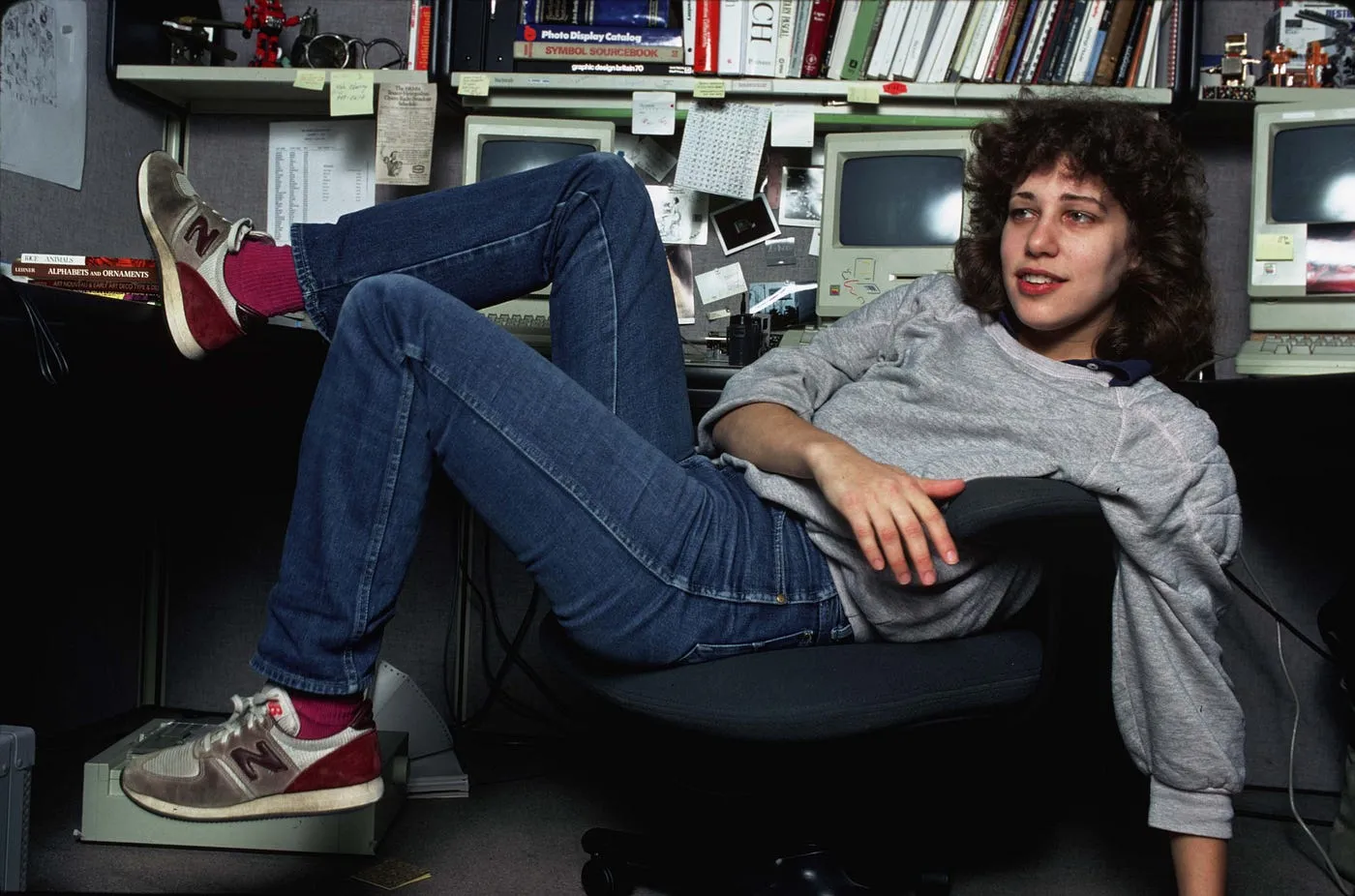
As humans make technological advances year after year, job opportunities within the print sector of communication design are depleting. On the other hand, the UX/UI and motion design sectors are booming as we continue to introduce more screens into our everyday lives. Smartphones, flat screen TVs, electronic billboards, digital car dashboards, interactive soda machines, the list could go on. This is not without consequence; the introduction of constant screens have caused human attention spans to shrink — meaning you have less than 8 seconds to capture a consumer. But before we were surrounded by these digital screens, we simply had computers. Susan Kare was one of the early females to navigate the complex UX/UI field within communication design.
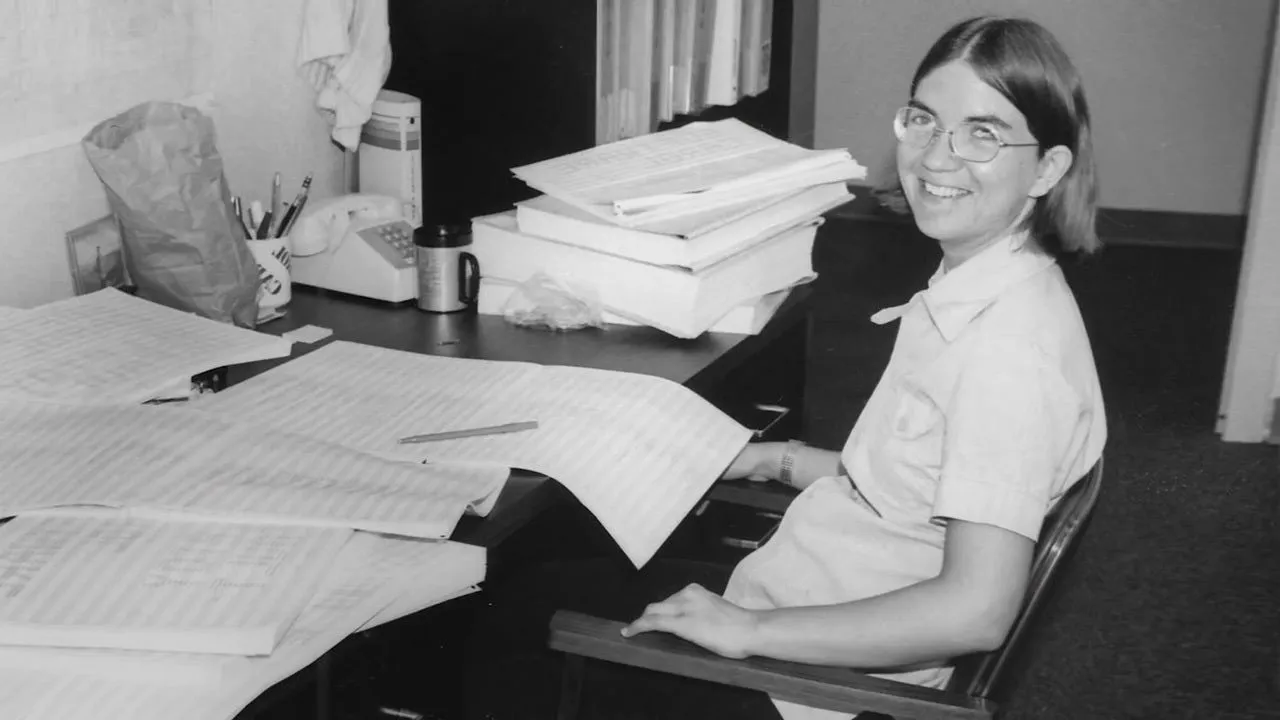
Susan Kare was born in New York in 1954. She went on to get her B.A., summa cum laude, in Art from Mount Holyoke College and then her Ph.D. from New York University. Back in the early 1980’s, Susan unknowingly joined what would become one of the world’s most renowned tech giants: Apple Computer Inc. She worked under the Macintosh Software Group with the title “Macintosh Artist,” on the original Apple Macintosh Design Team. Here she developed various icons and typefaces for the original Macintosh OS user interface.
Kare’s influence in pixel art is still apparent today amongst icons like the Lasso, the Grabber and the Paint Bucket. She also designed the Command key on Apple keyboards as well as Happy Mac, the smiling emoticon that greeted users when they booted up their computer. In addition to designing icons, she developed multiple typefaces. Her typeface Chicago was the interface typeface for the Classic Mac OS, as well as used on the first 3 generations of the Apple iPod.
Kare paved the way not only for future UX/UI designers, but for female designers in a male dominated industry. Not only that, but she’s credited as the first designer to create a Graphic User Interface since no computer ever had one prior. Kare once said good icons should be more like road signs than mere illustrations — easily comprehended without extraneous details. It is evident that Kare encompassed this into all her icons, a few of which are still used today amongst varying software and interfaces.
Like Kare, here at Atomic Robot we strive to incorporate this type of seamlessness into all of our apps by utilizing our design and development teams conjointly. This is done through our open, team based environment that encourages collaboration from both disciplines. It allows us to create smooth, working user experiences for the consumer.